Huipil
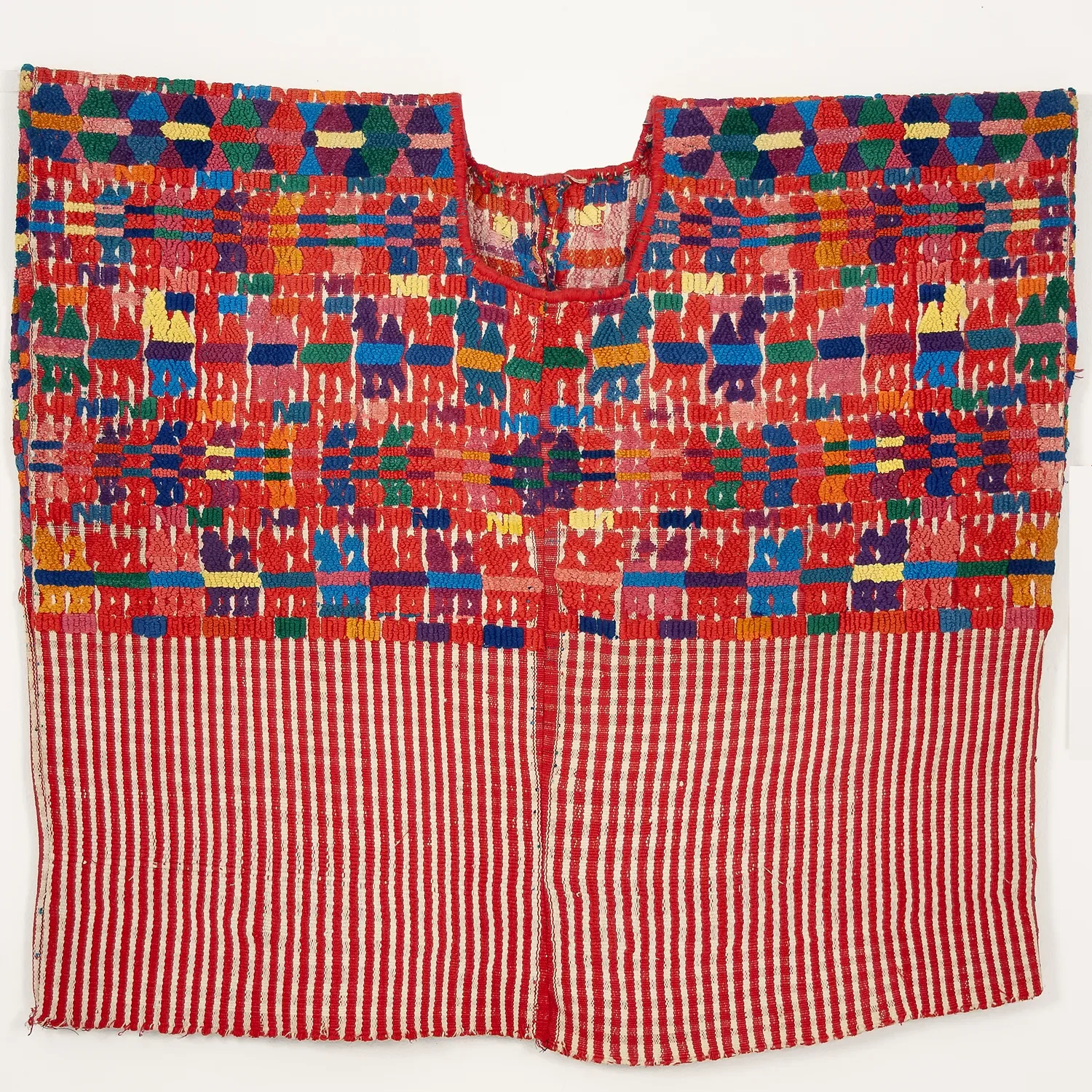
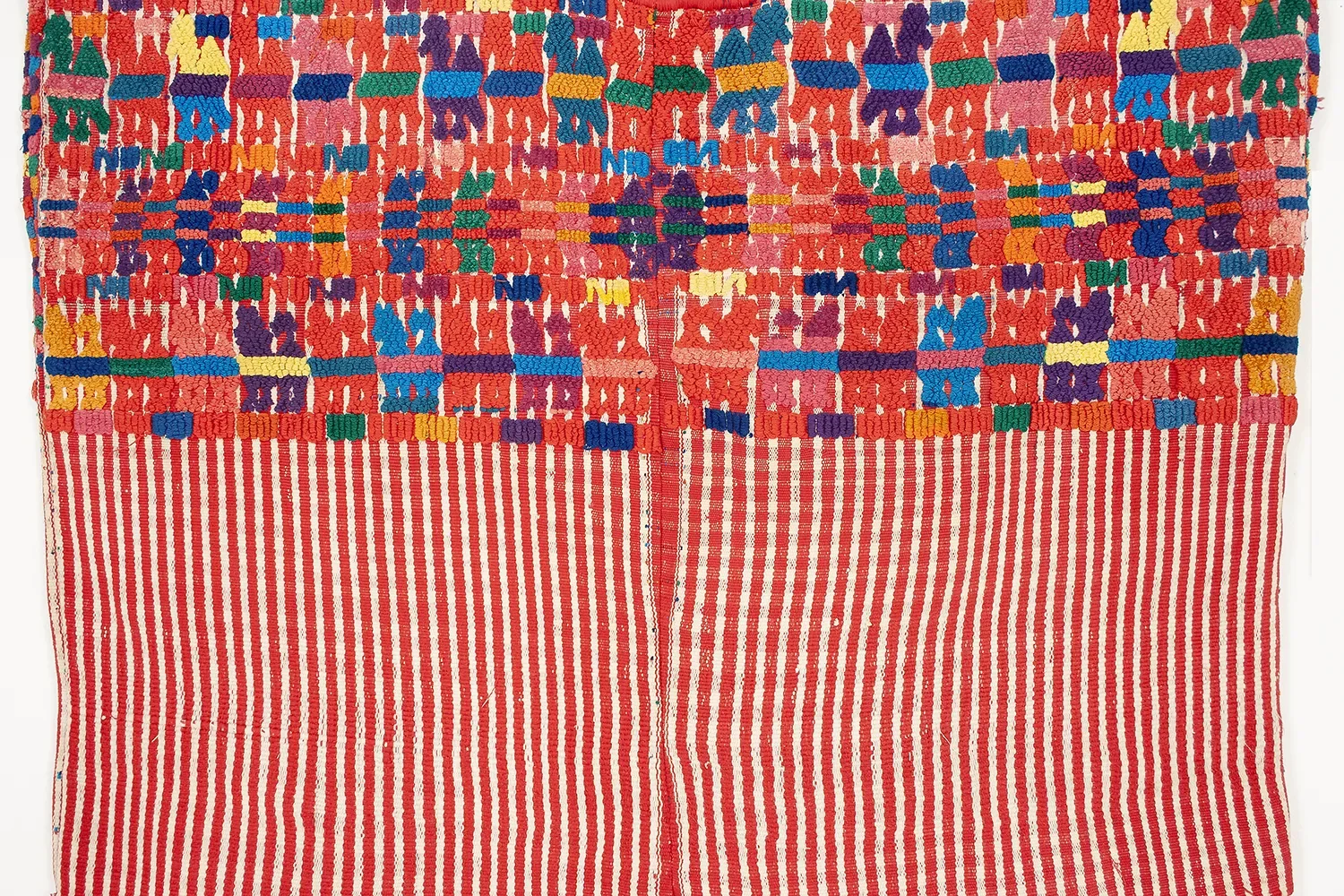
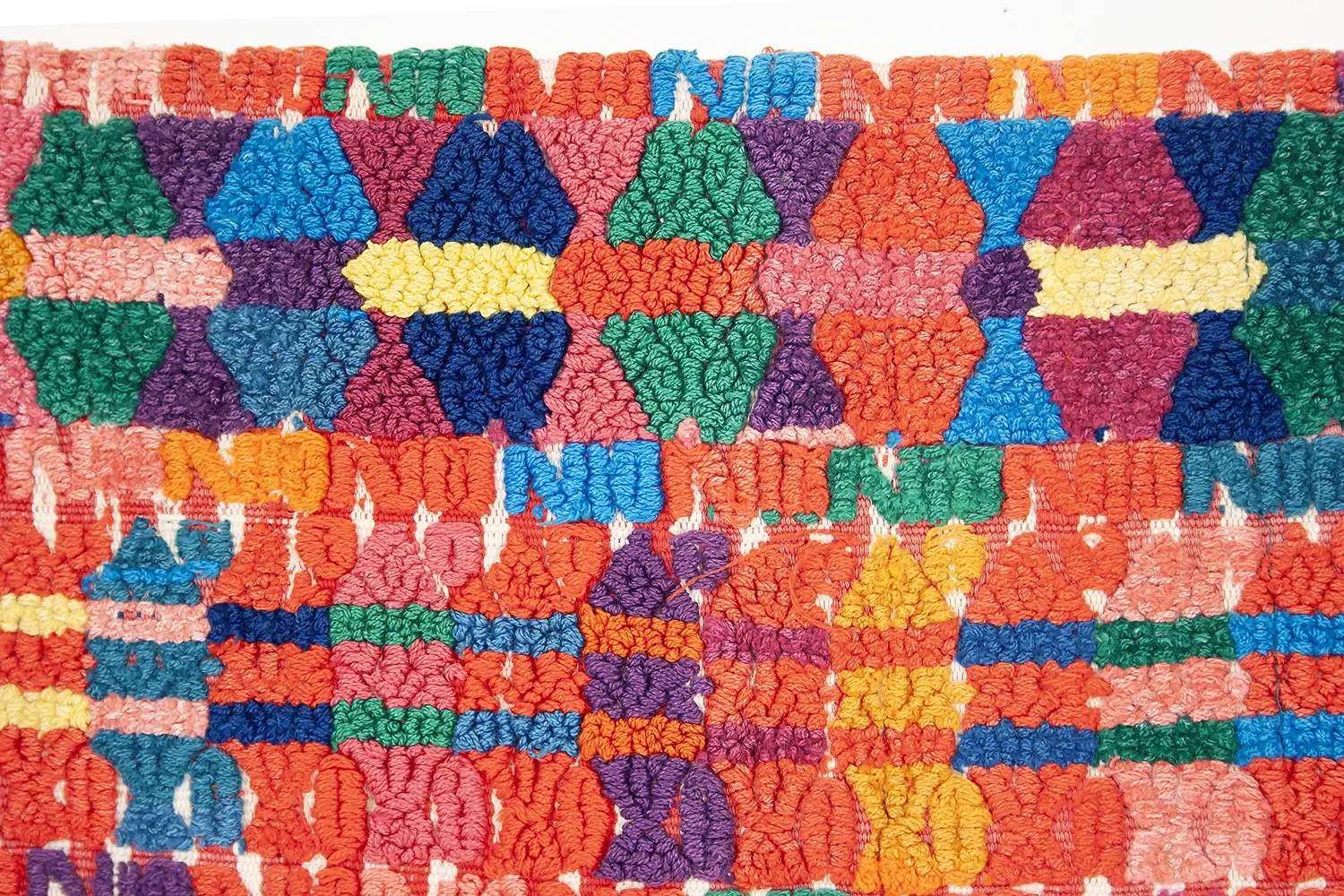
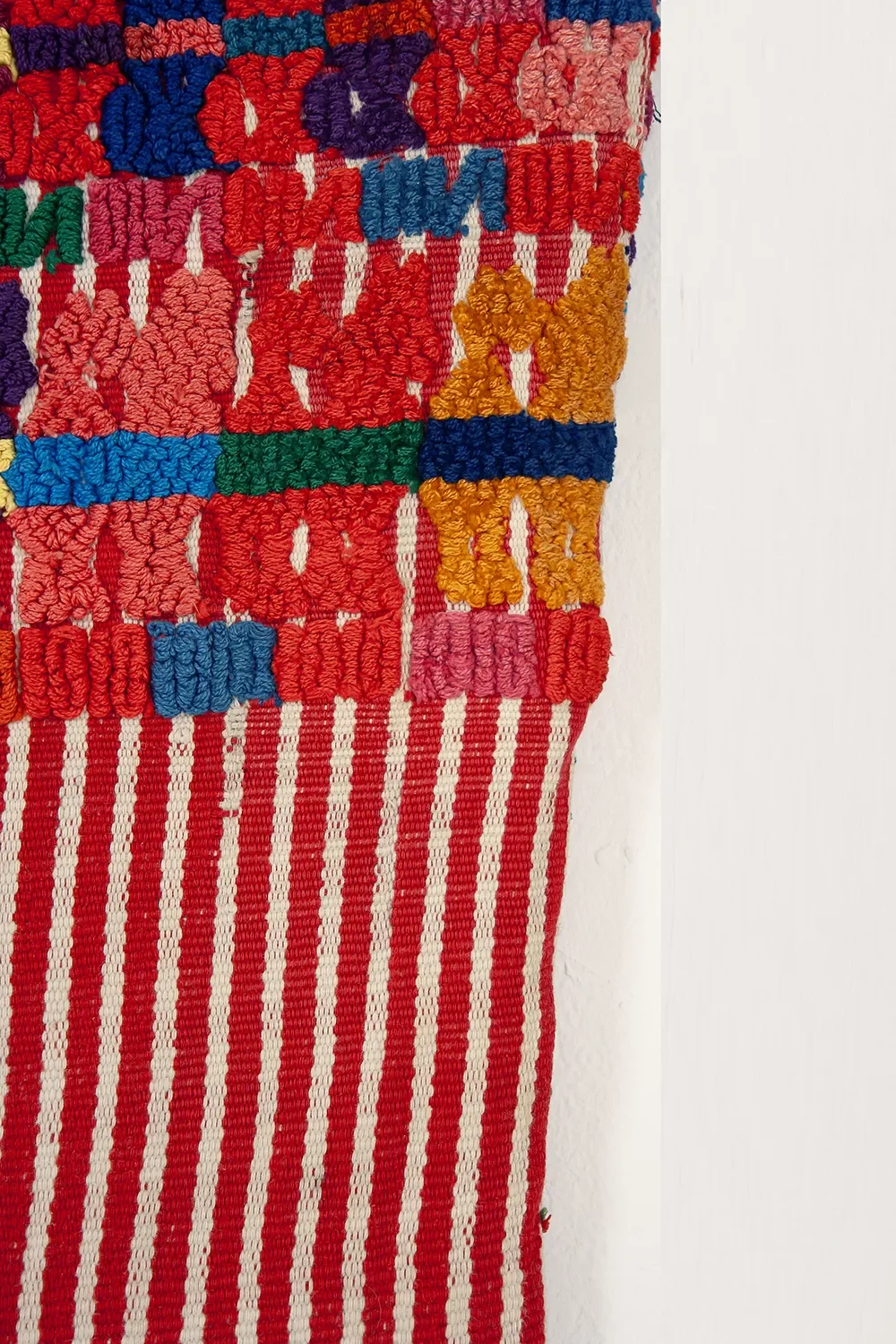
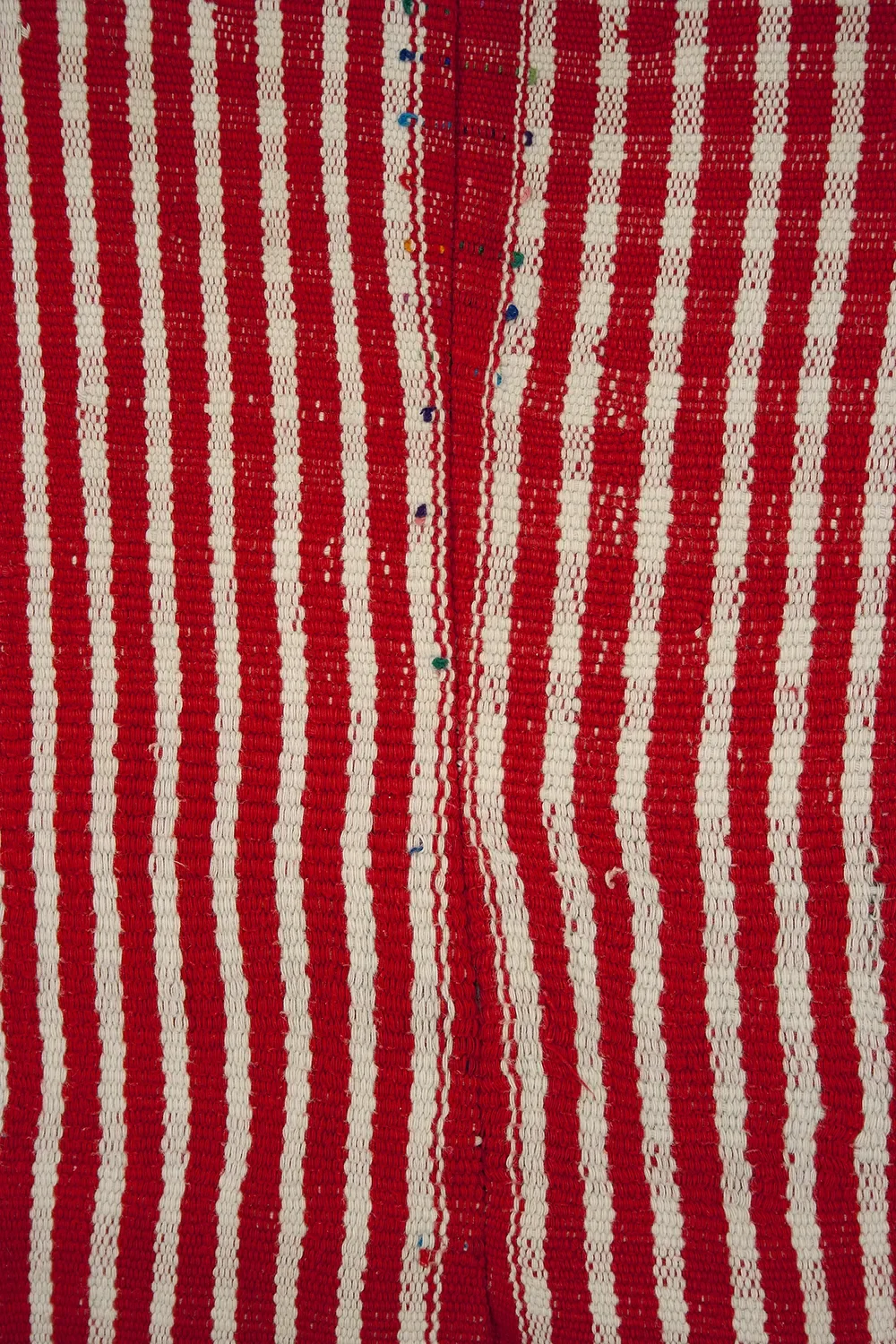
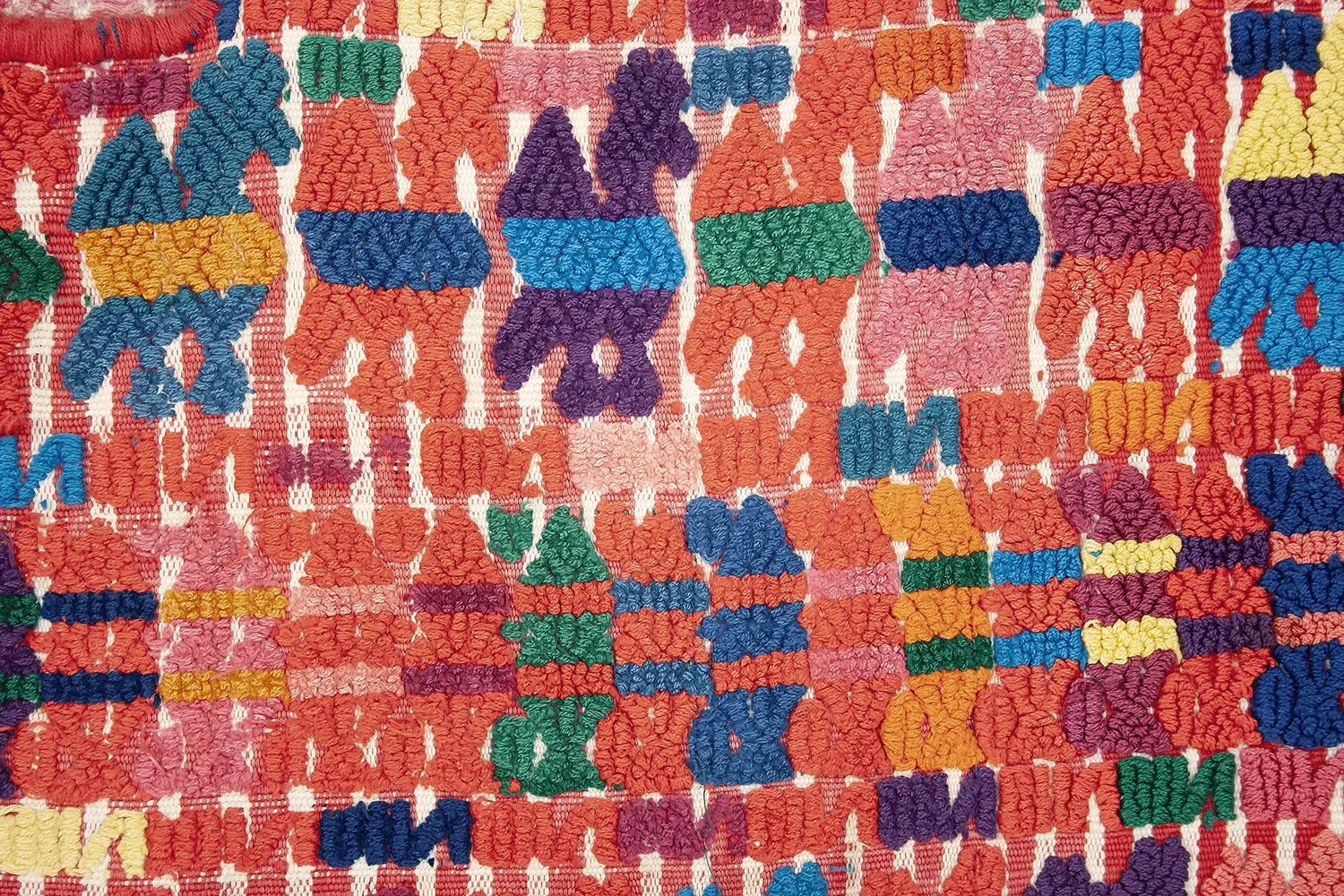
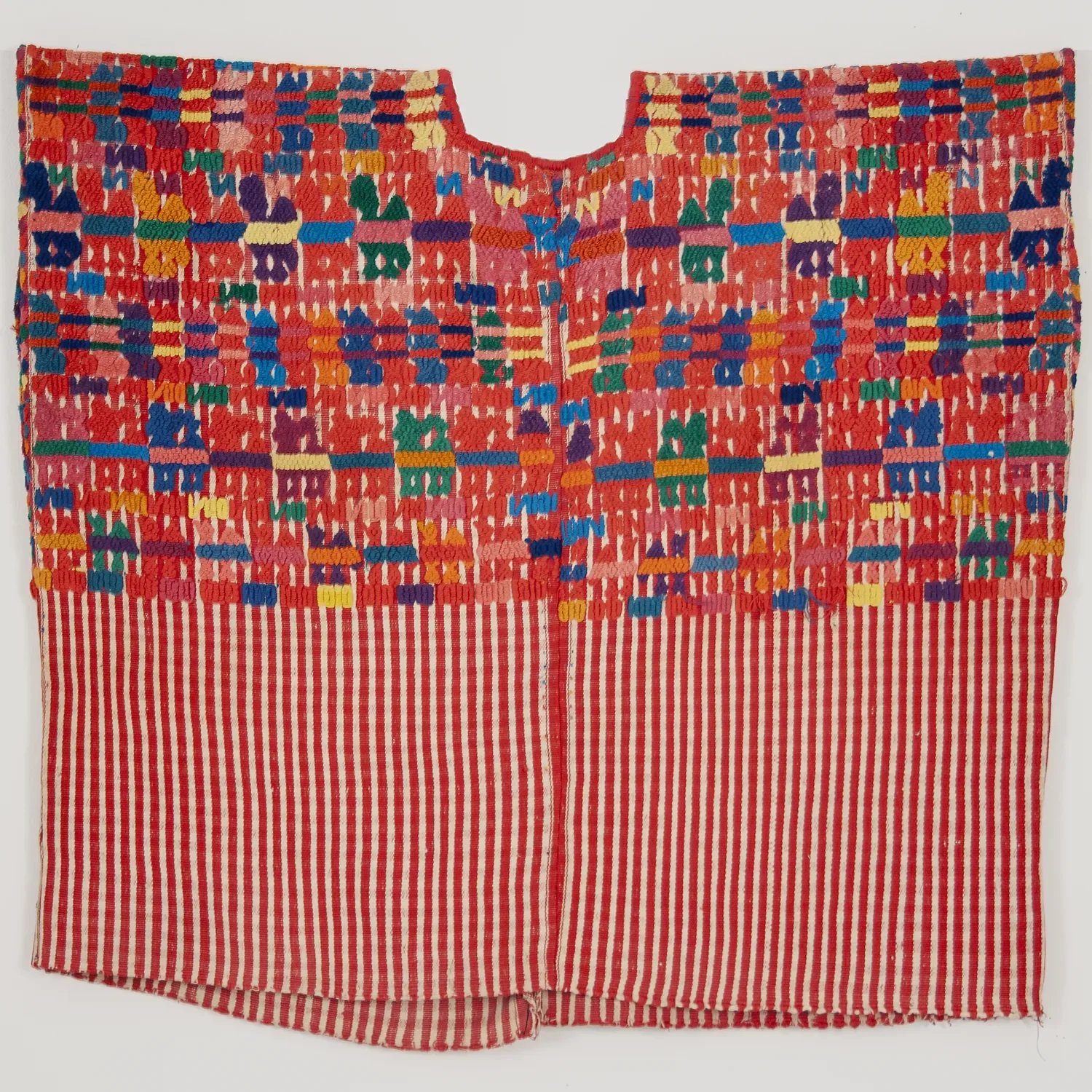
Hand-embroidered on red and white striped fabric
Huipiles from Santo Tomás Chichicastenango (often called "Chichi") are among the most famous, heaviest, and symbolically complex textiles in Guatemala. These traditional, loose-fitting handwoven tunics are worn by Indigenous Mayan women. The word derives from the Nahuatl term huīpīlli, meaning "my covering".
It is the most prominent garment in traditional Maya women's attire. More than just clothing, the huipil acts as wearable art, a symbol of ethnic pride, and an identifier of the wearer's community and social status. Each Guatemalan village features its own distinct patterns, color palettes, and weaving styles, identifying the wearer's hometown, as well as her marital status or social standing.
Chichi huipiles are traditionally woven using a backstrap loom in three distinct panels on a base cloth of heavy cotton. The embroidery and brocade work are uniquely dense, making the garments remarkably heavy, structured, and warm and ideal for the chilly highland climate.
-
Chichicastenango is the historical site where the Popol Vuh (the sacred Mayan creation book) was preserved, so the town's huipiles act as a literal canvas for ancient spiritual narratives.
Weaving Techniques: Traditionally, they are handwoven on a wooden backstrap loom. The process involves weaving colorful threads, originally dyed using natural materials like indigo and tree bark.
· How It's Worn: Huipiles are usually tucked into a long, wrap-around skirt called a corte, secured at the waist with a woven belt known as a faja.
· Cultural Significance: Wearing a huipil is a vital way of preserving Mayan heritage and passing down ancestral knowledge. It is considered a deeply respected sign of Indigenous identity.
· Diamonds and "X" Shapes: Highly prevalent across the shoulders and chest. Diamond shapes represent the stars and the universe, while "X" patterns symbolize holiness, protection, and spiritual balance.
Title: Huipil
Date: 1986
Geography: Chichicastenango, Guatemala
Medium: Cotton
Dimensions: H. 25.5 in. W. 30 in.
Provenance: Purchased in Chichicastenango, Guatemala
Inventory Number: GU.03