Men’s Lungi
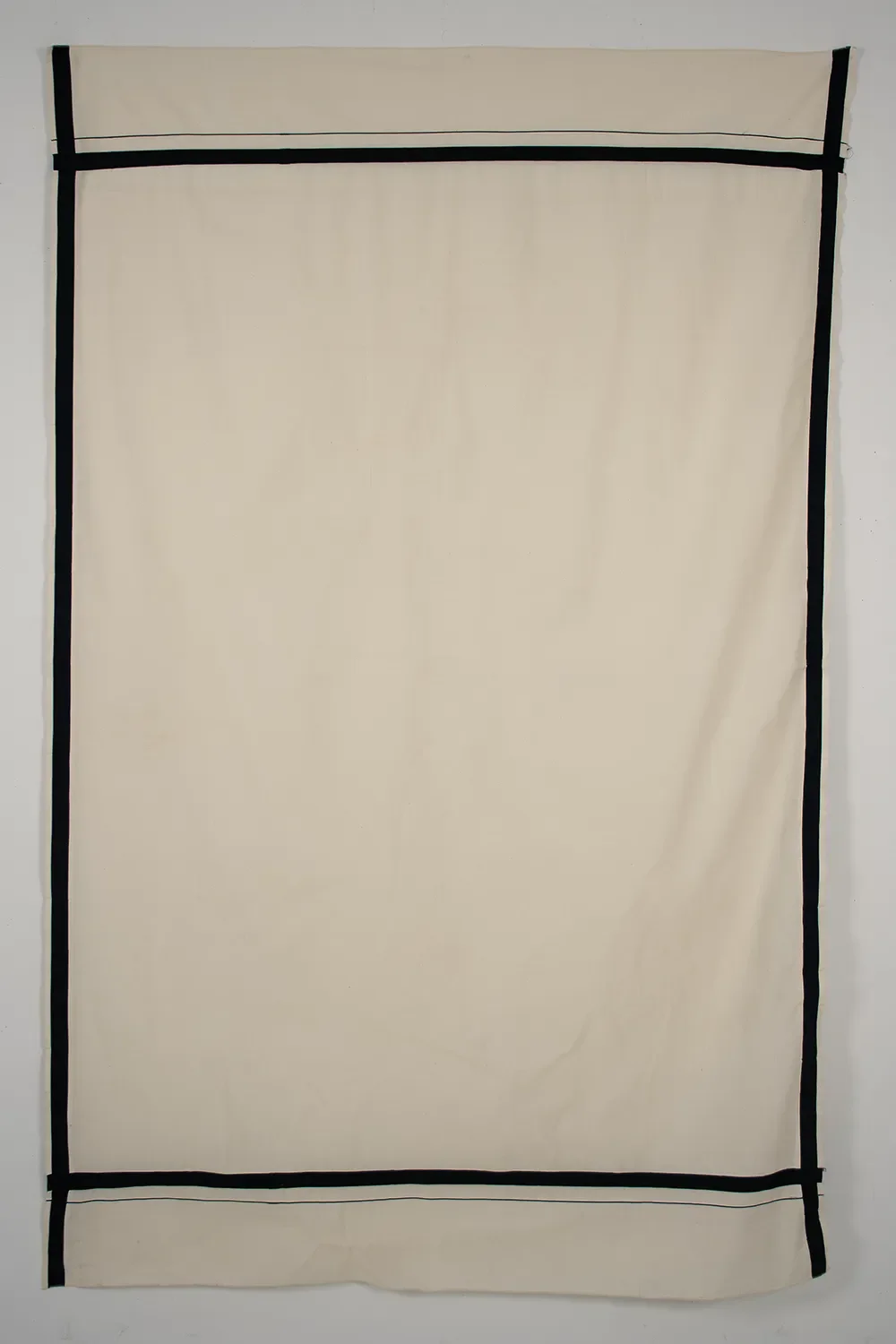
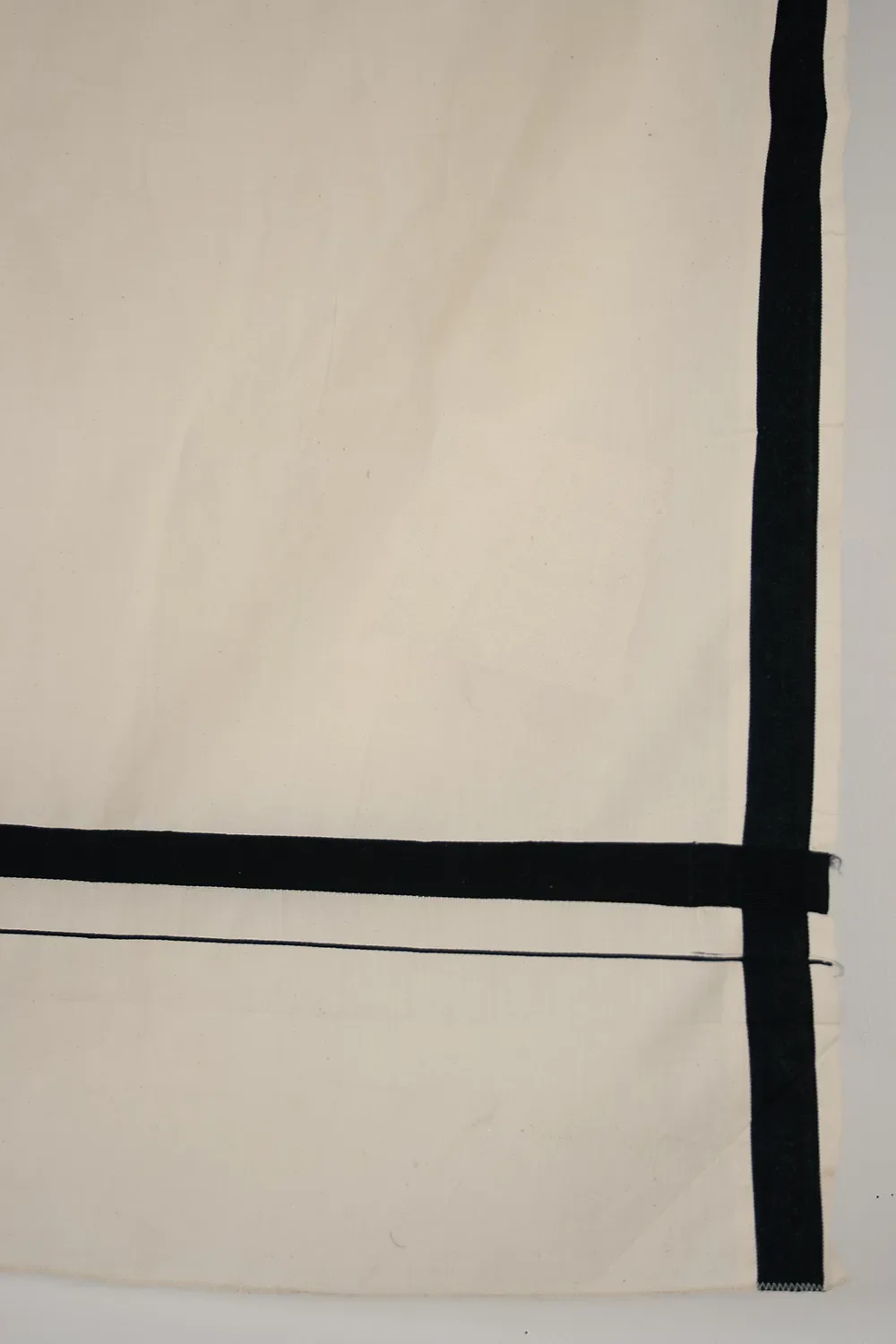
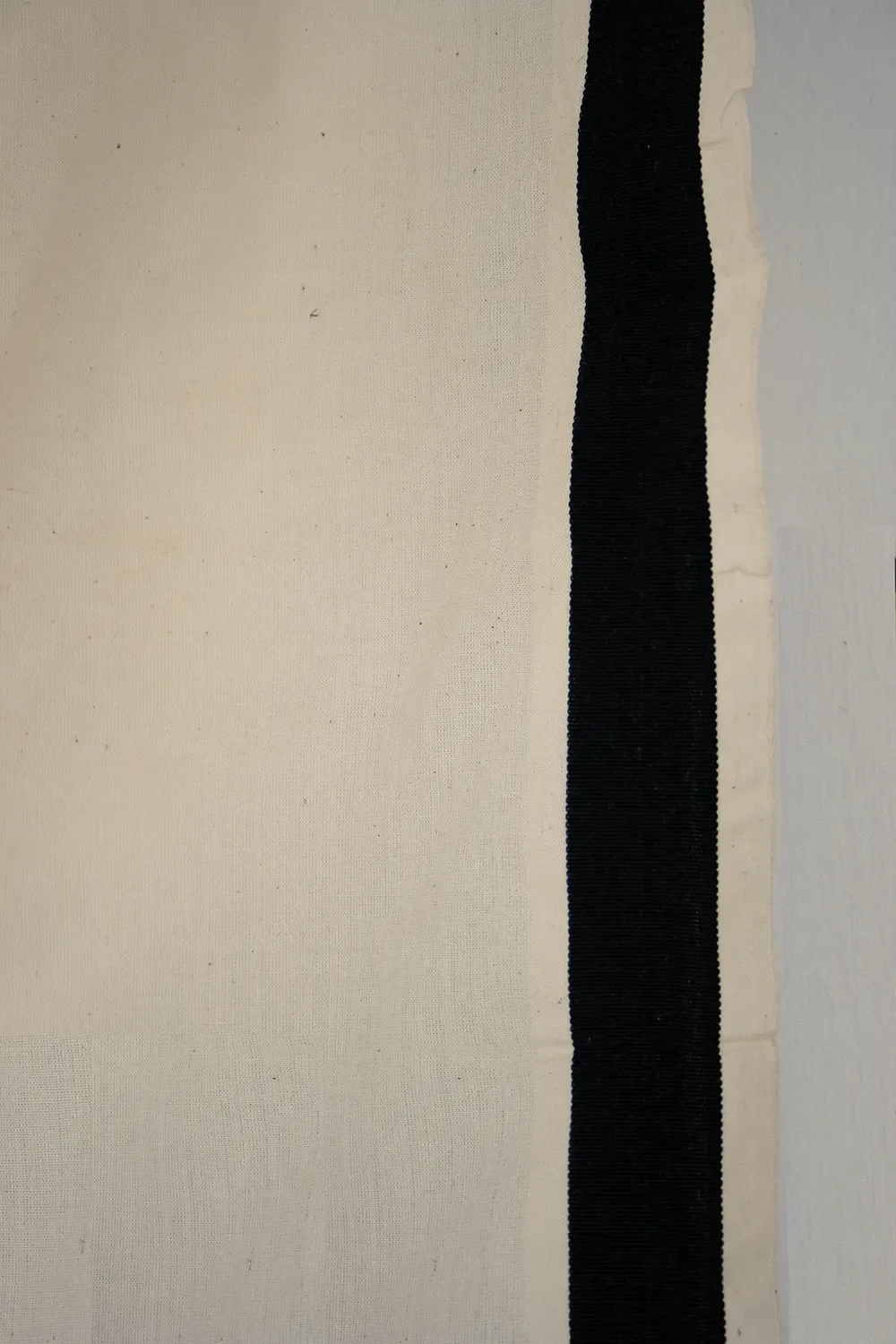
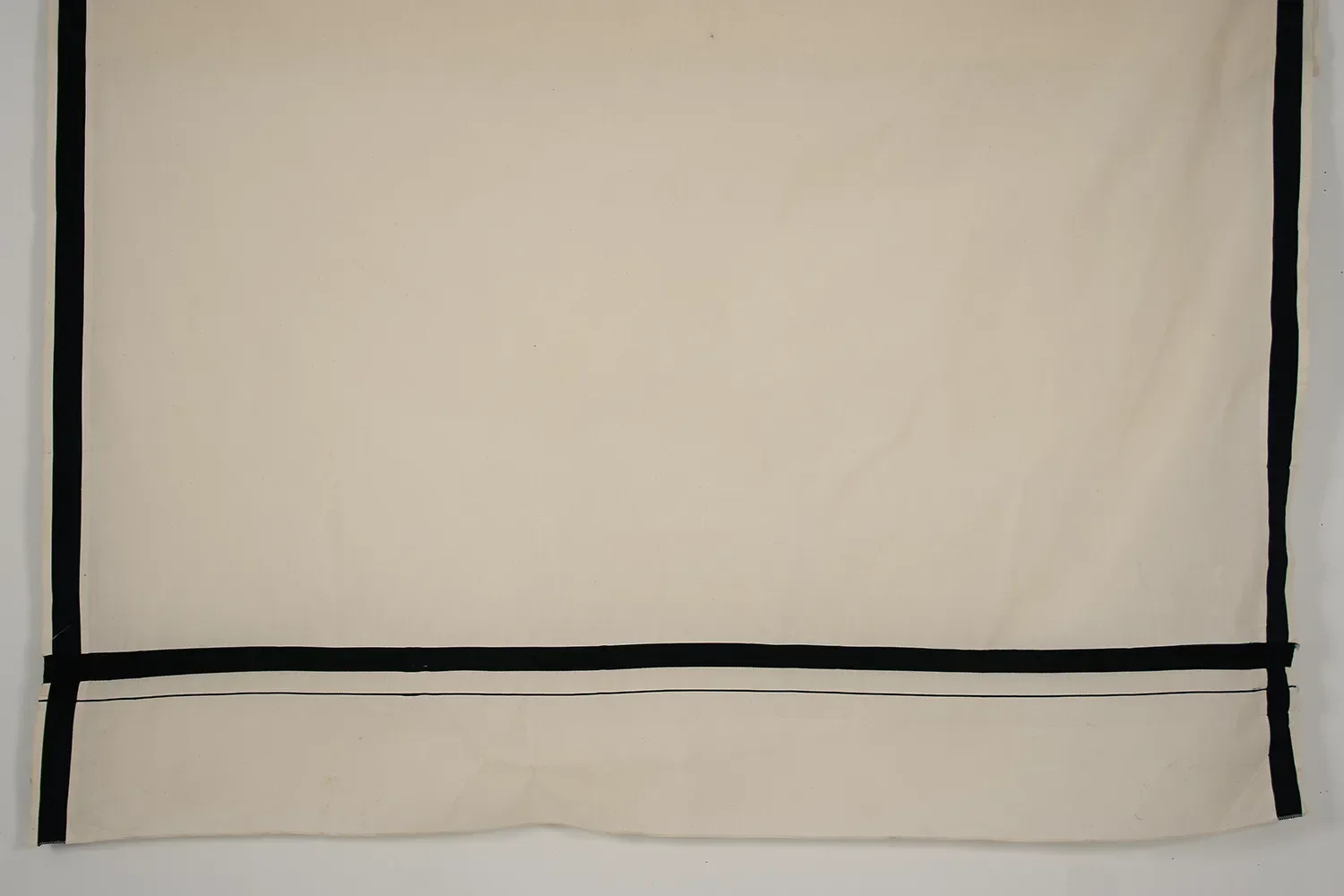
Cream with black border
This cream-colored lungi holds deep cultural, historical, and daily significance in South India—particularly in Kerala and Tamil Nadu. While commonly referred to by many as a "lungi," a garment of this specific color scheme is formally known as a Mundu (in Kerala) or a Veshti/Dhoti (in Tamil Nadu). True lungis are typically multi-colored, patterned, or checked and are strictly casual wear, whereas a solid cream garment with a distinct border spans both daily comfort and elegant tradition.
In Kerala, a thin black border on a cream or off-white lungi is traditionally called Puliyilakara. Puliyilakara translates to "tamarind leaf border." The very fine, sharp black line along the border visually mimics the sleek, narrow silhouette of a tamarind leaf.
-
The cream base signifies purity, cleanliness, and connection to nature. Paired with a minimal black border rather than flashy gold, it reflects a deeply respected South Indian ethic of humility and understated dignity.
Before the widespread availability of bright chemical dyes or expensive gold zari thread (known as Kasavu), weavers used simple natural dyes. The fine black border was an early staple of Kerala handlooms, representing a timeless, ancestral design that predates modern festive styles.
Today, many men select a pure cotton cream garment with a black or dark border specifically as prayer wear. The neutral, contrast-driven aesthetic is favored for keeping a calm, focused mind during quiet devotion or temple visits.
Title: Men’s Lungi
Date: 2016
Geography: Tamil Nadu, India
Medium: Cotton
Dimensions: H. 71 in. W. 47 in.
Provenance: Purchased in Madurai, India
Inventory Number: IN.37