Ikat Textile
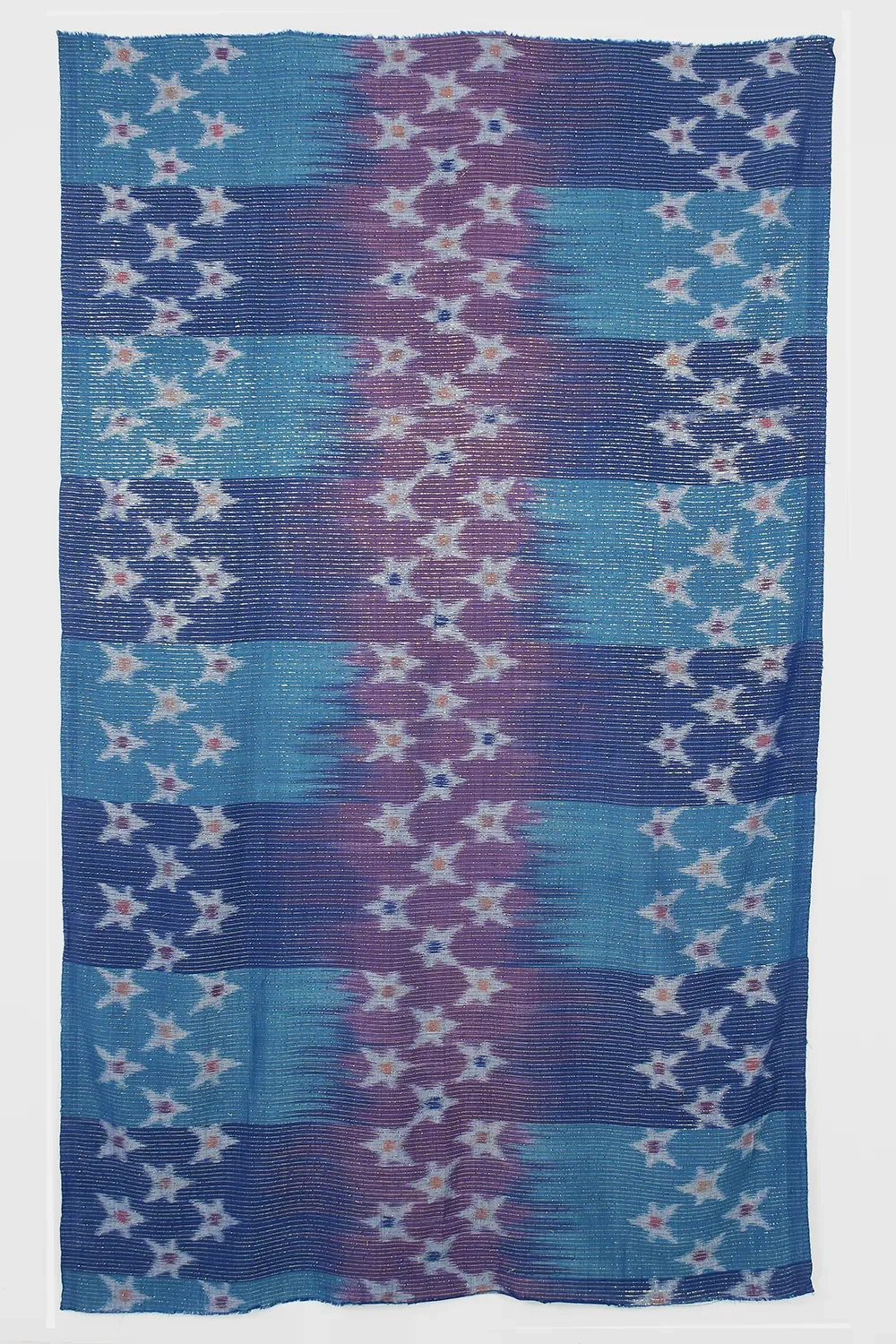
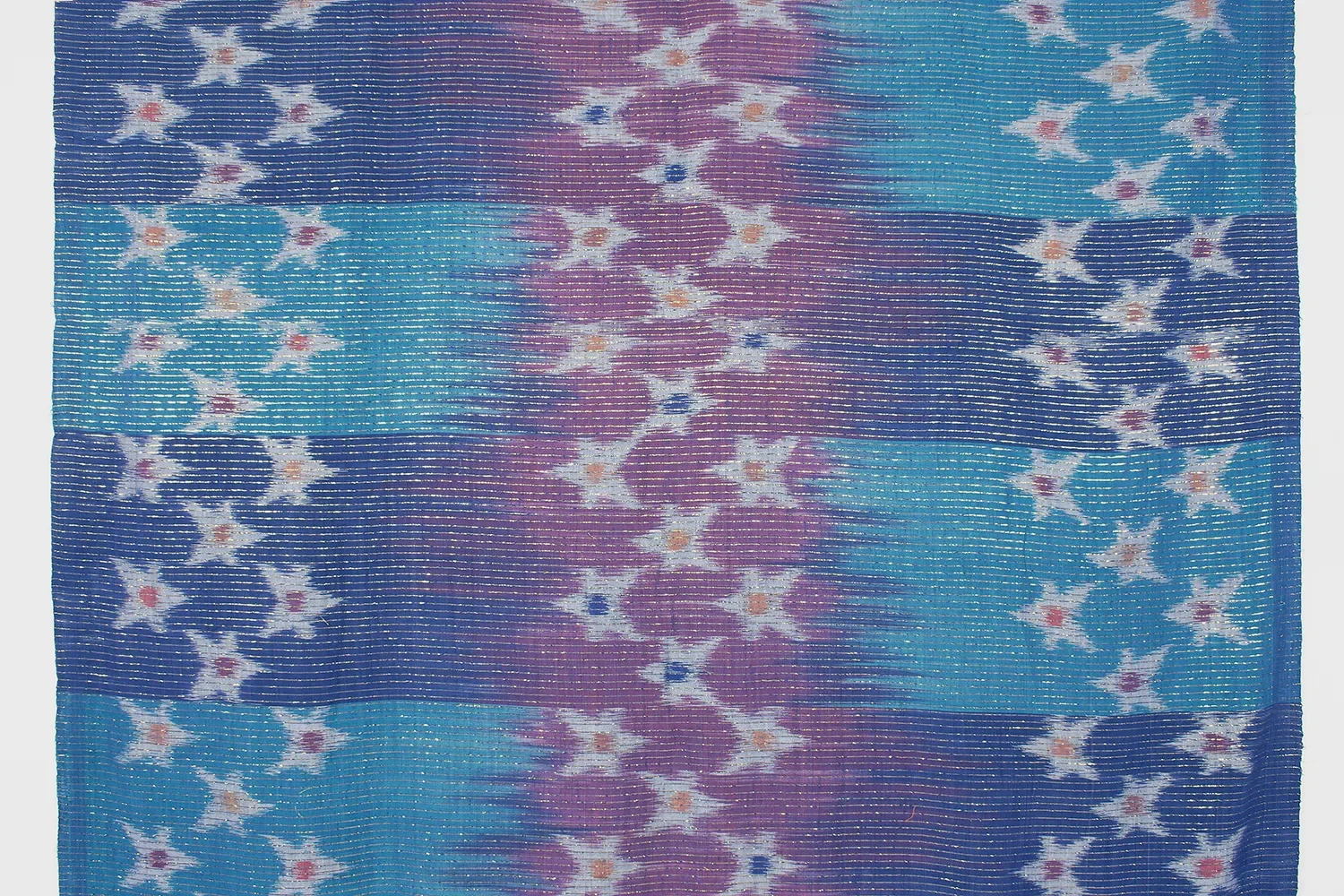
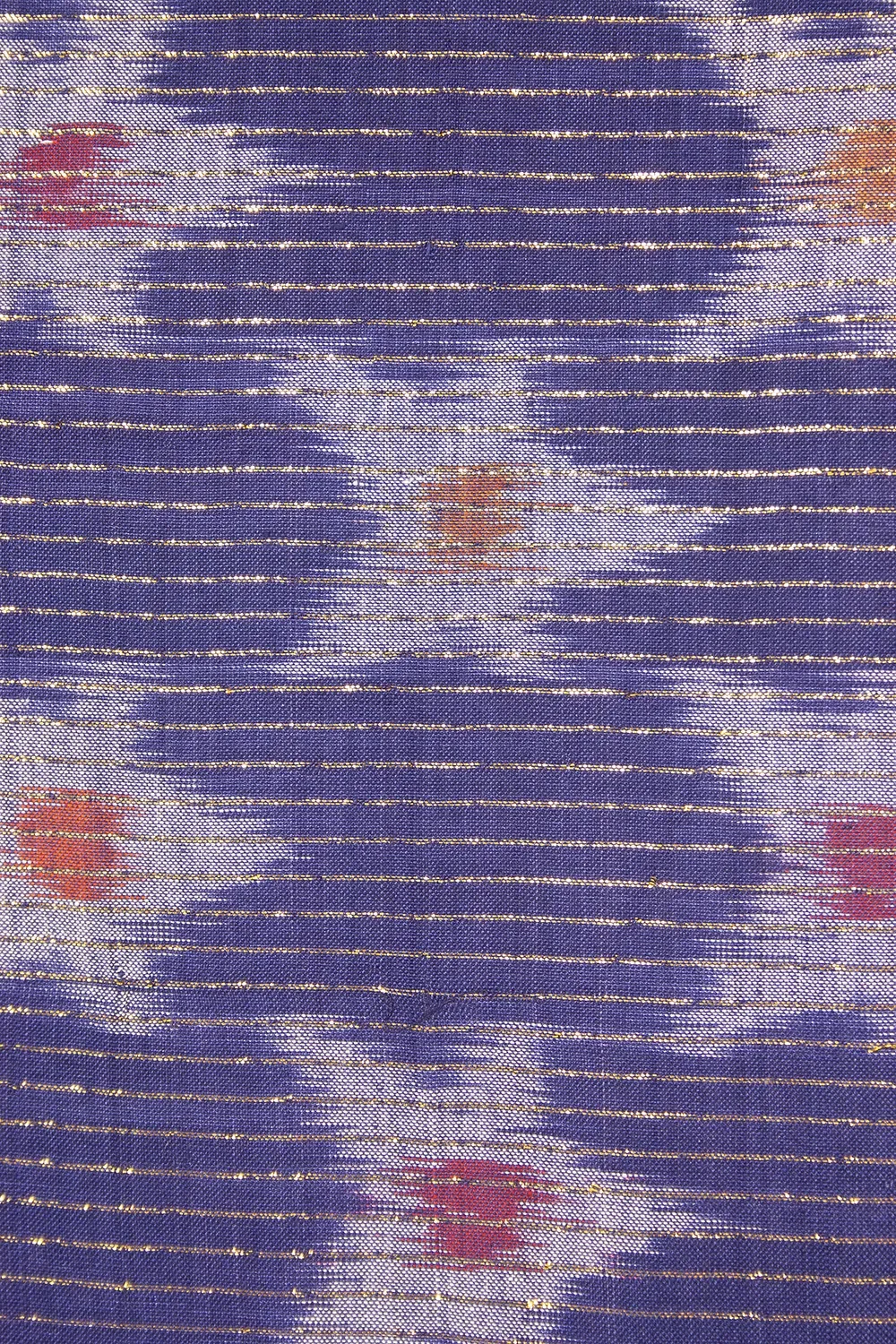
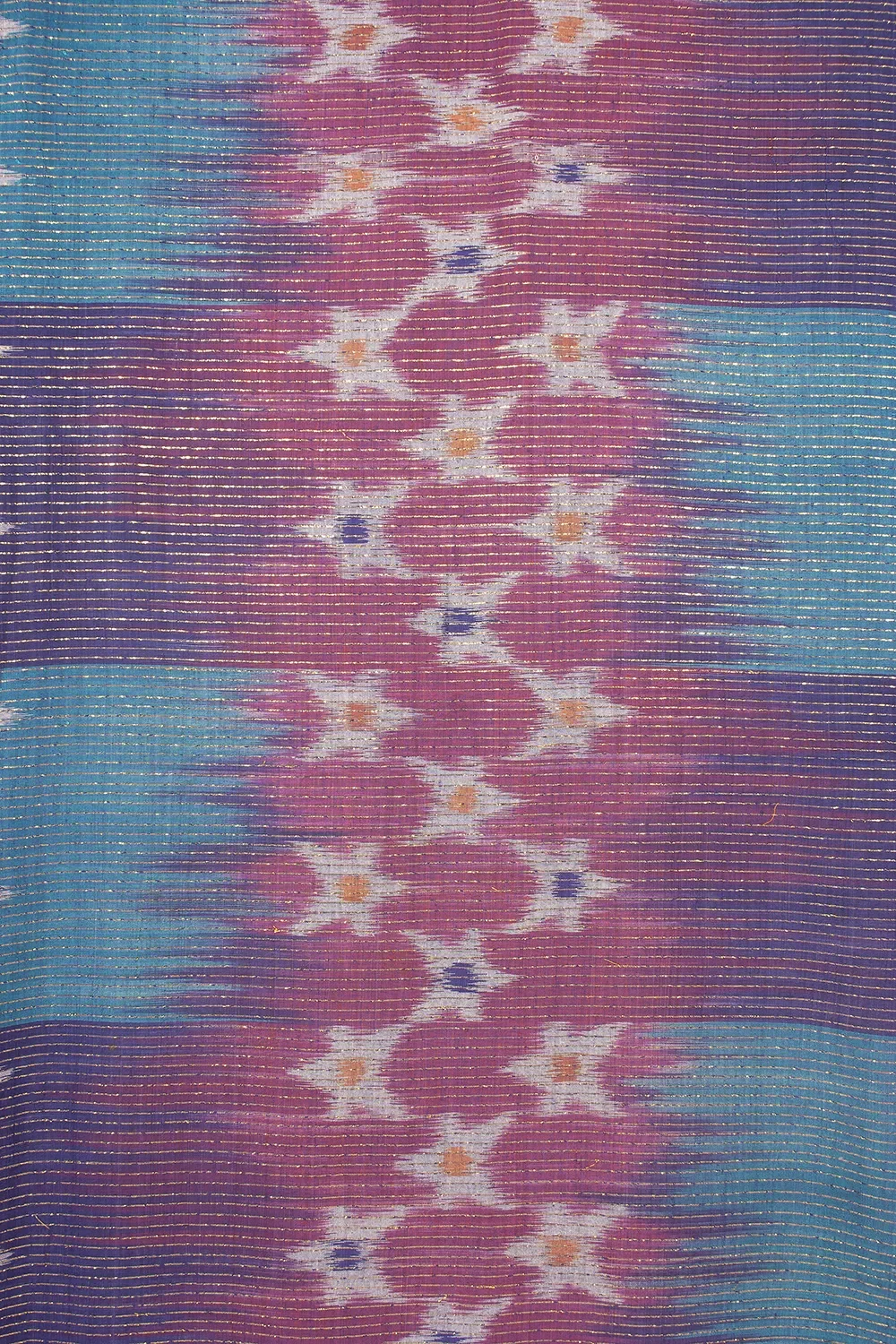
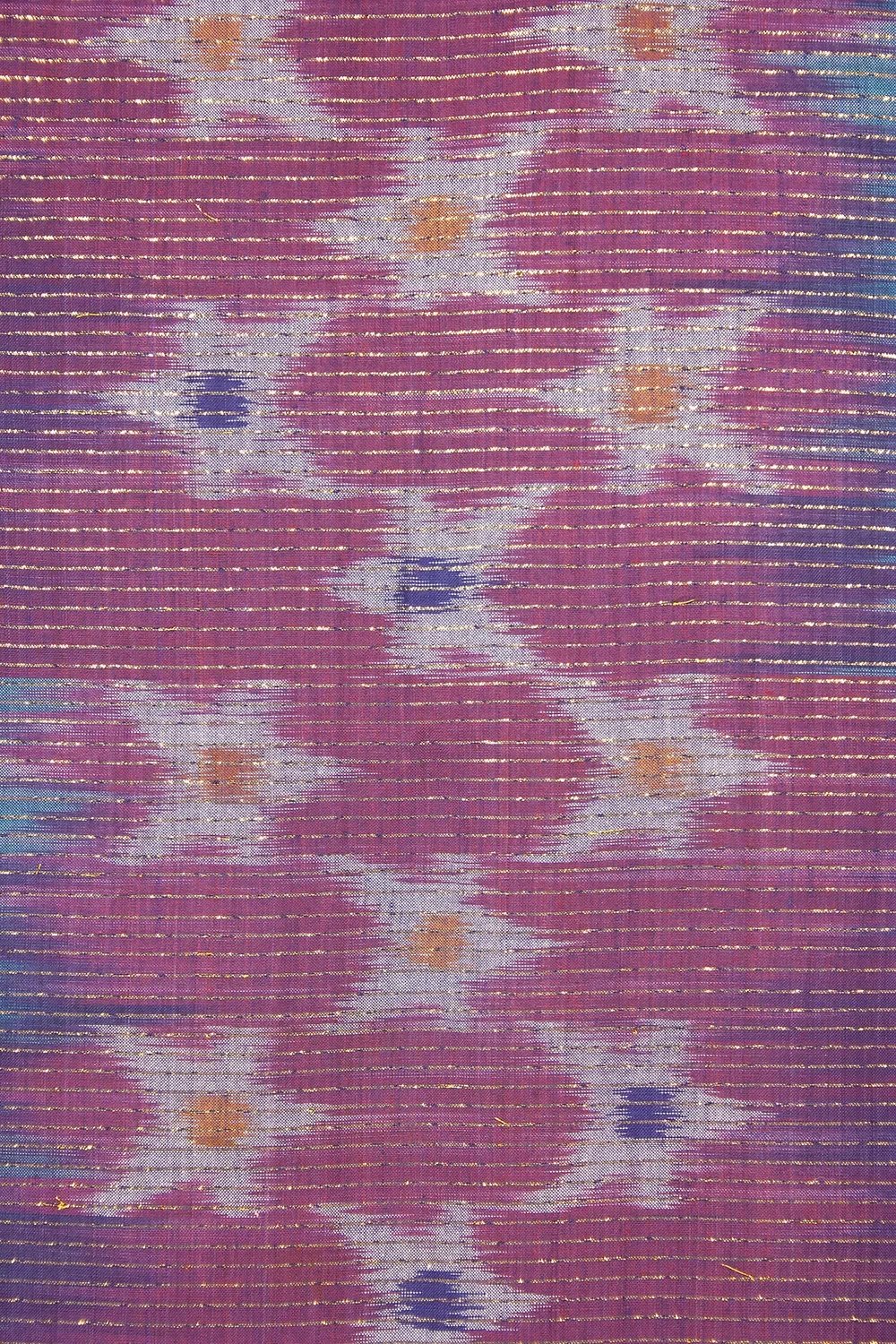
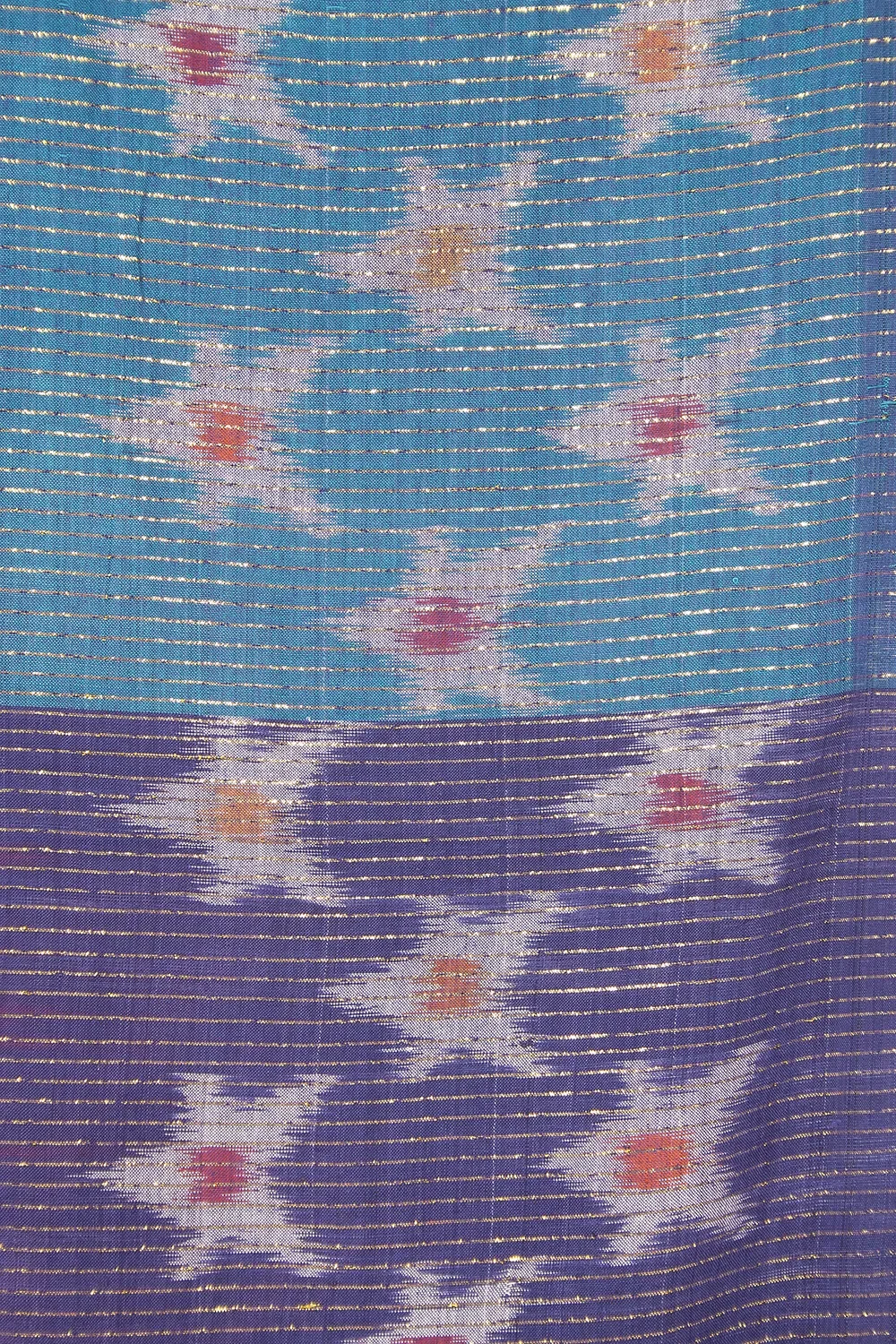
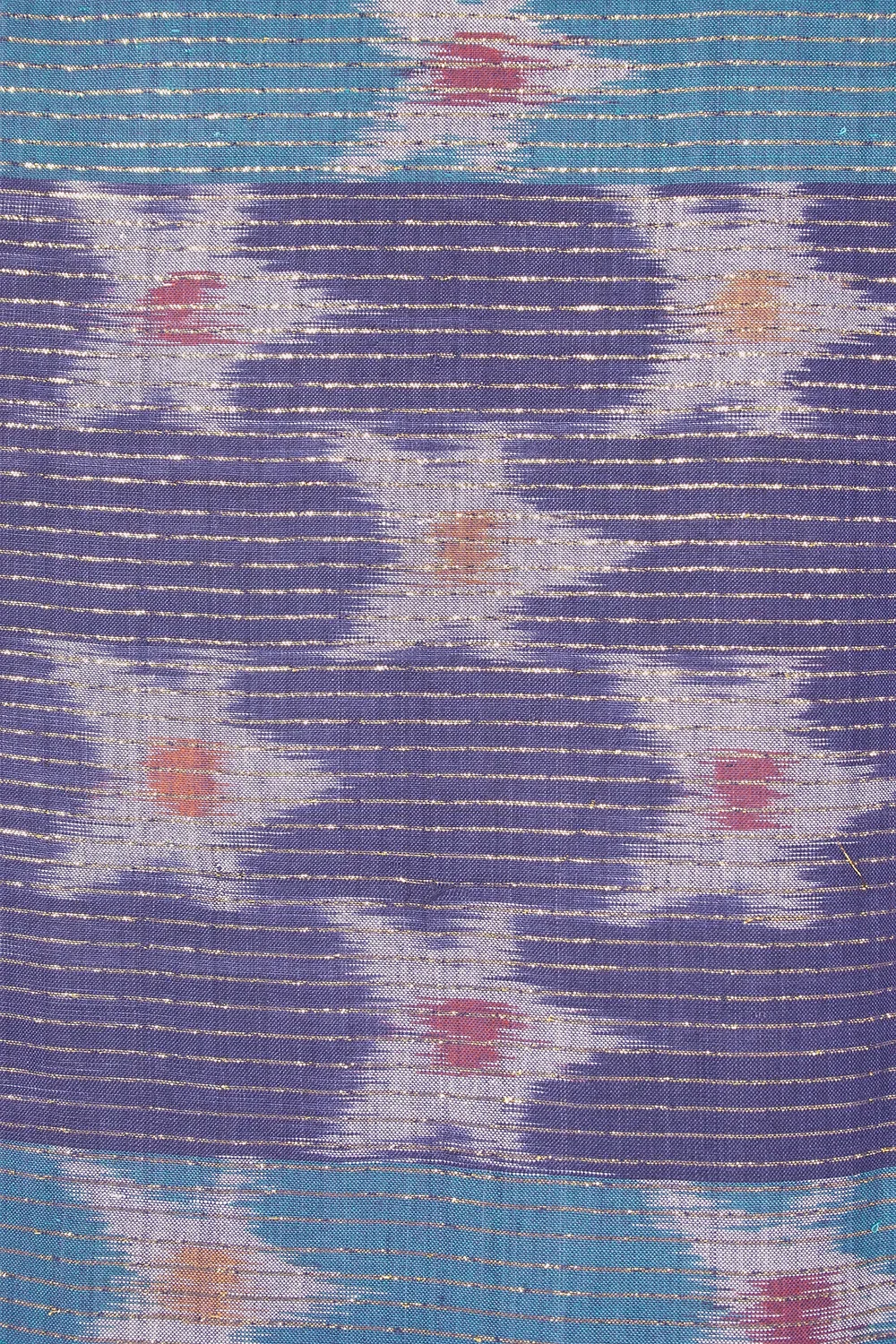
Magenta, turquoise, navy ikat with gold metallic threads
The Indonesian ikat technique is an ancient resist-dyeing method where the yarns are meticulously tied and dyed to form patterns before they are woven into cloth. Originating from the Malay-Indonesian word for "to tie" or "to bind," the resulting textiles feature beautiful, feathered edges of colors and carry deep cultural significance.
-
Design & Binding: Artisans stretch out threads (either the lengthwise warp or widthwise weft) and map out a pattern. Sections of yarn that are meant to stay a base color are tightly wrapped with fiber, string, or plastic to resist the dye.
Dyeing: The yarn bundles are dipped into dye vats. The bindings prevent the dye from reaching the covered threads.
Layering Colors: To add more colors, some ties are removed while other sections are wrapped, and the threads are dyed again. Some intricate textiles require up to a dozen separate dyeing rounds.
Weaving: Once all colors are set, the threads are carefully placed on a traditional handloom. The weaver adjusts each thread by hand so the pattern aligns properly, and the design only fully reveals itself as the fabric takes shape.
Title: Ikat Textile
Date: 1981
Geography: Bali, Indonesia
Medium: Cotton, metallic threads
Dimensions: H. 76 in. W. 47 in.
Provenance: Purchased in Ubud, Indonesia
Inventory Number: IND.02