Sasaringen
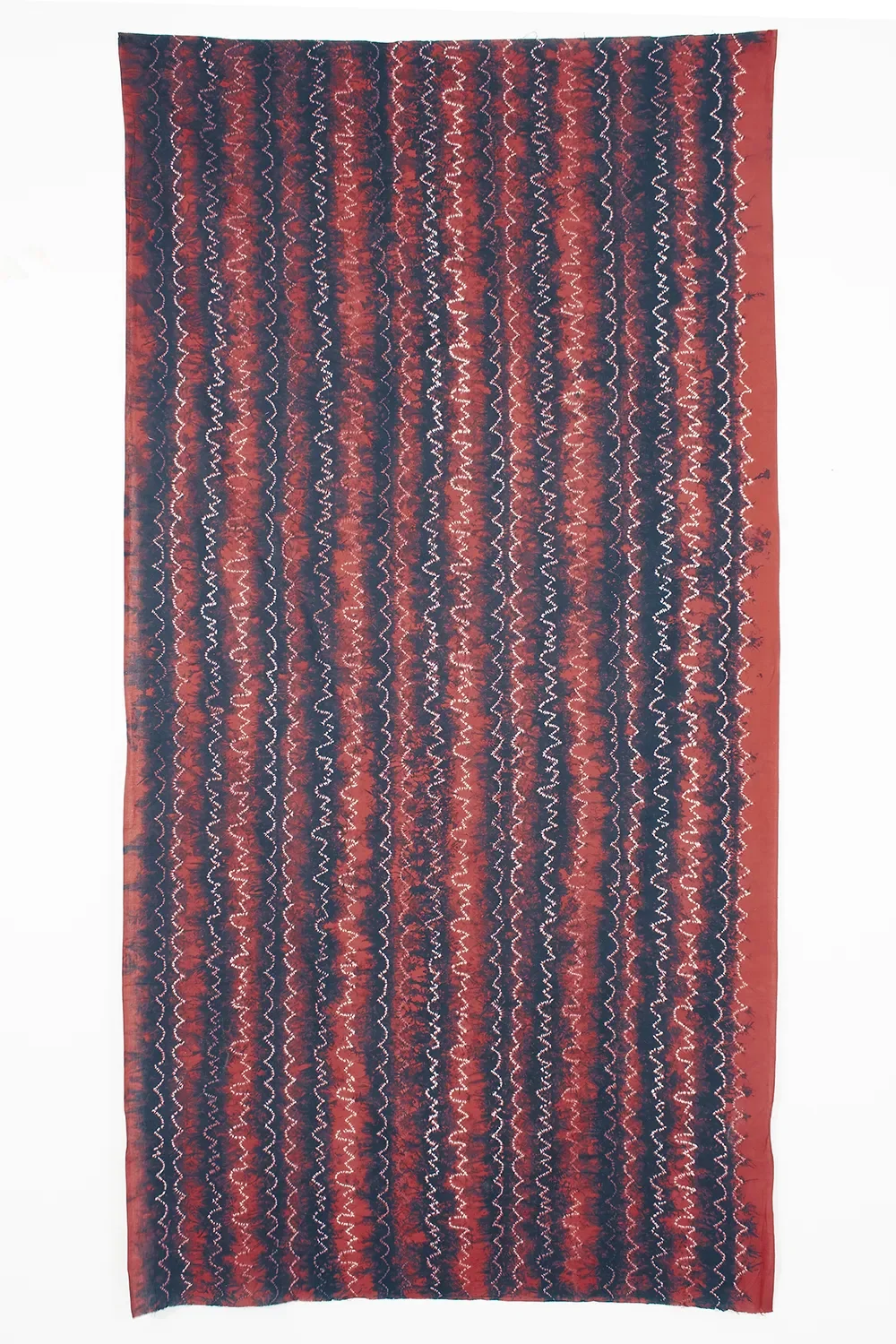
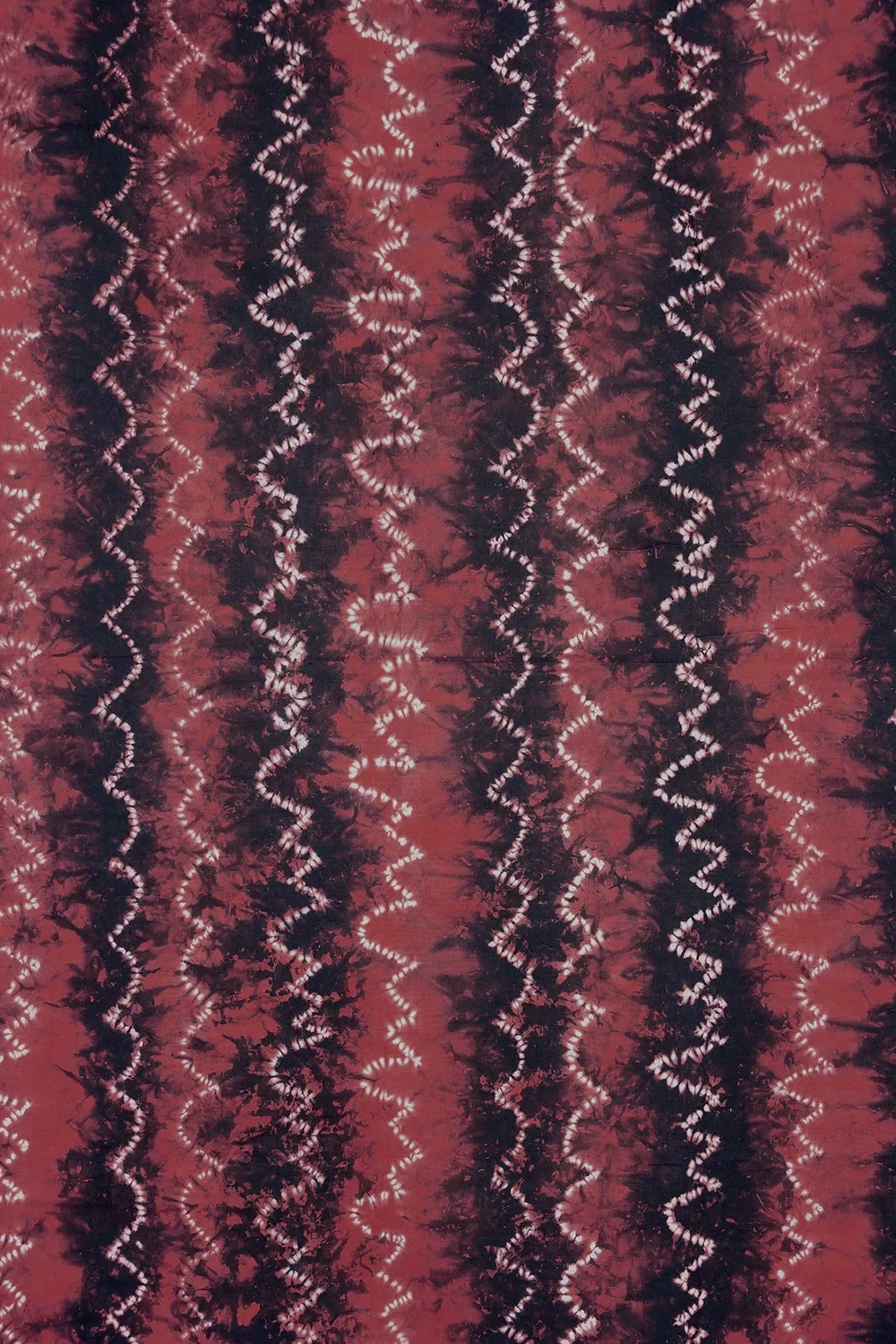
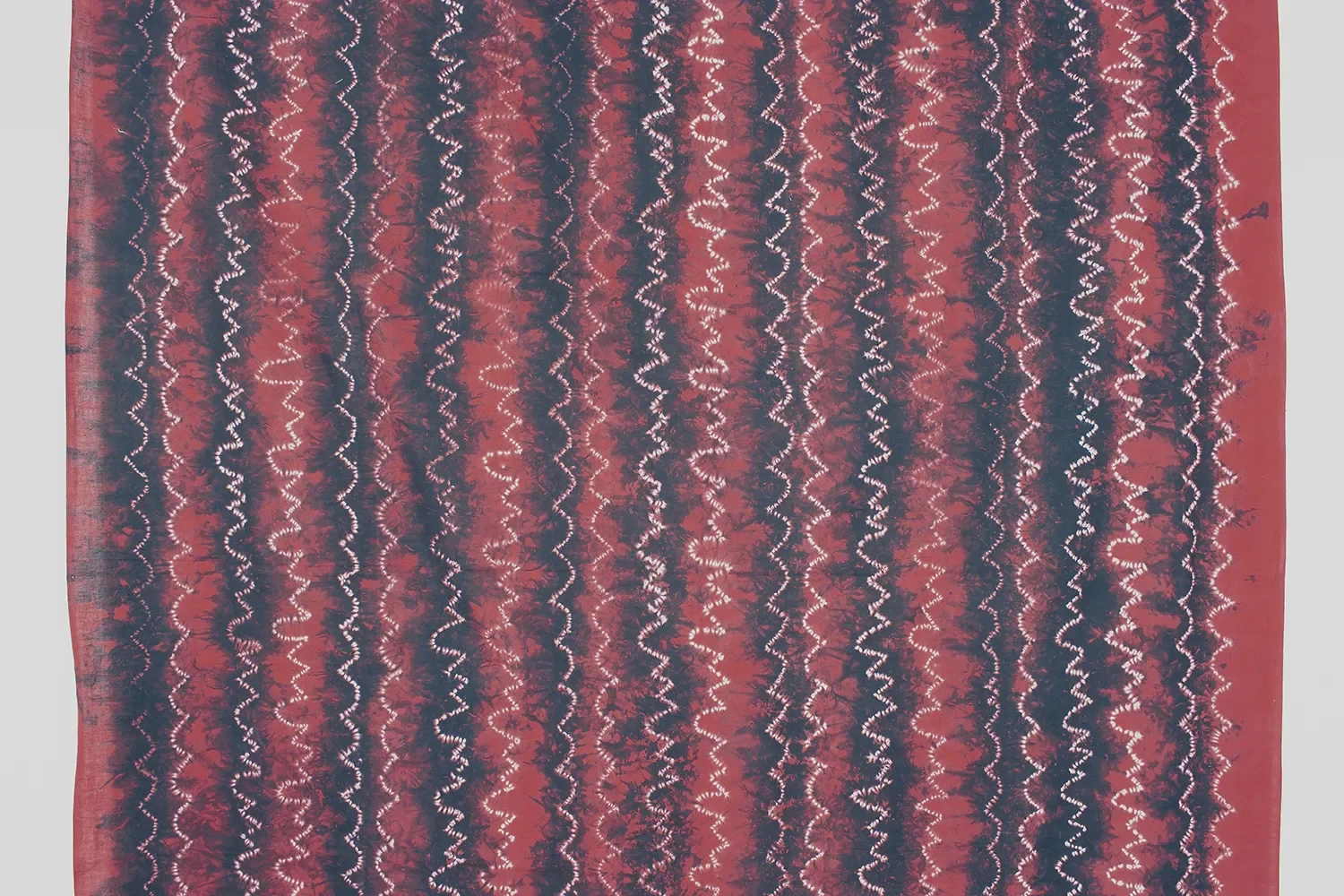
Red and black tie-dye
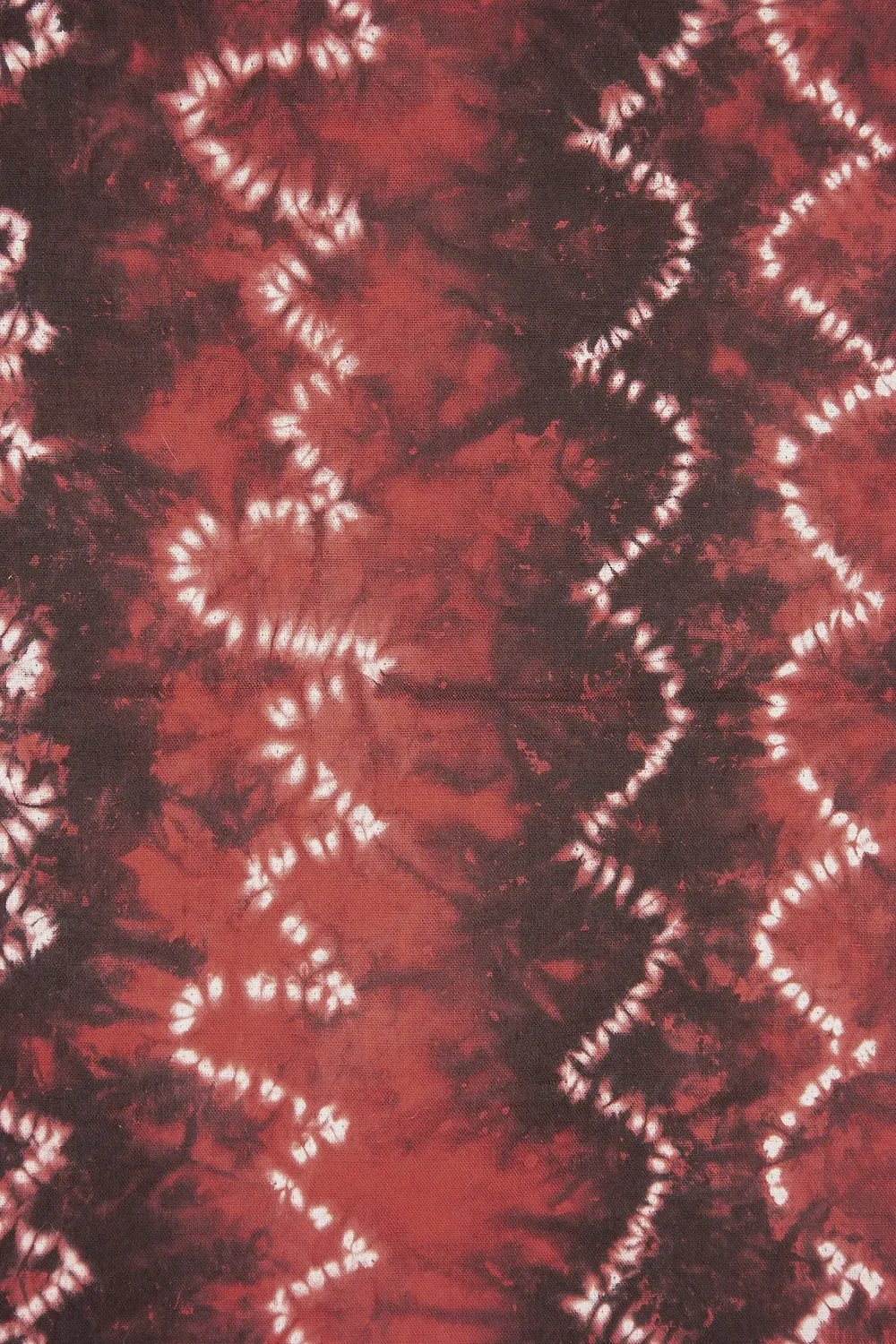
Sasaringen is a traditional, culturally rich textile from the Banjar ethnic group of South Kalimantan (Borneo), Indonesia. Known locally as a type of "Batik Sasirangan", it features vibrant, abstract patterns that are created using a specialized stitch-resist dye technique. Unlike traditional Javanese Batik, which uses wax and a pen-like canting tool to resist dye, Sasirangan relies completely on manual hand-stitching and cord binding. Derived from the local Banjar word sirang (meaning "to stitch" or "to baste"), the fabric designs are crafted by tightly binding, stitching, and folding white cloth before dyeing it to create distinct, vibrant patterns, making it a "tie-dye" variant unique to Borneo's heritage.
The creation of Sasirangan dates back to the 12th century, originally commissioned by King Lambung Mangkurat of the Negara Dipa Kingdom.
-
Historically known as Kain Pamintan (a tailored cloth), Sasirangan was not originally designed for casual wear. It held deeply spiritual and medicinal purposes.
In ancient Banjar culture, only shamans or traditional spiritual elders were permitted to craft this textile. The colors and motifs were custom-made at the instruction of a healer and based on the patient's symptoms. Motifs were selected to act as a spiritual remedy to cast out evil spirits, ward off bad luck, or cure specific illnesses. The Wave or Zigzag Patterns (Sinapur Karang) of this example could possibly reflect the rivers and maritime lifestyle of Banjarmasin, reminding the wearer of resilience through life's unpredictable waves.
Today, while Sasirangan has transitioned away from its strict shamanistic roots, it remains an immense symbol of local pride across South Kalimantan. The textile has since evolved into everyday wear, adapted into lifestyle accessories and worn at formal events such as Banjar weddings to wish the couple longevity and prosperity. Sasirangan is registered as an intangible Indonesian cultural heritage by UNESCO.
Title: Sasaringen
Date: 1996
Geography: Kalimantan, Indonesia
Medium: Cotton
Dimensions: H. 78 in. W. 39.5 in.
Provenance: Purchased in Banjarmasin, Kalimantan, Indonesia (Borneo)
Inventory Number: IND.05