Thai Buddist Robe
Saffron
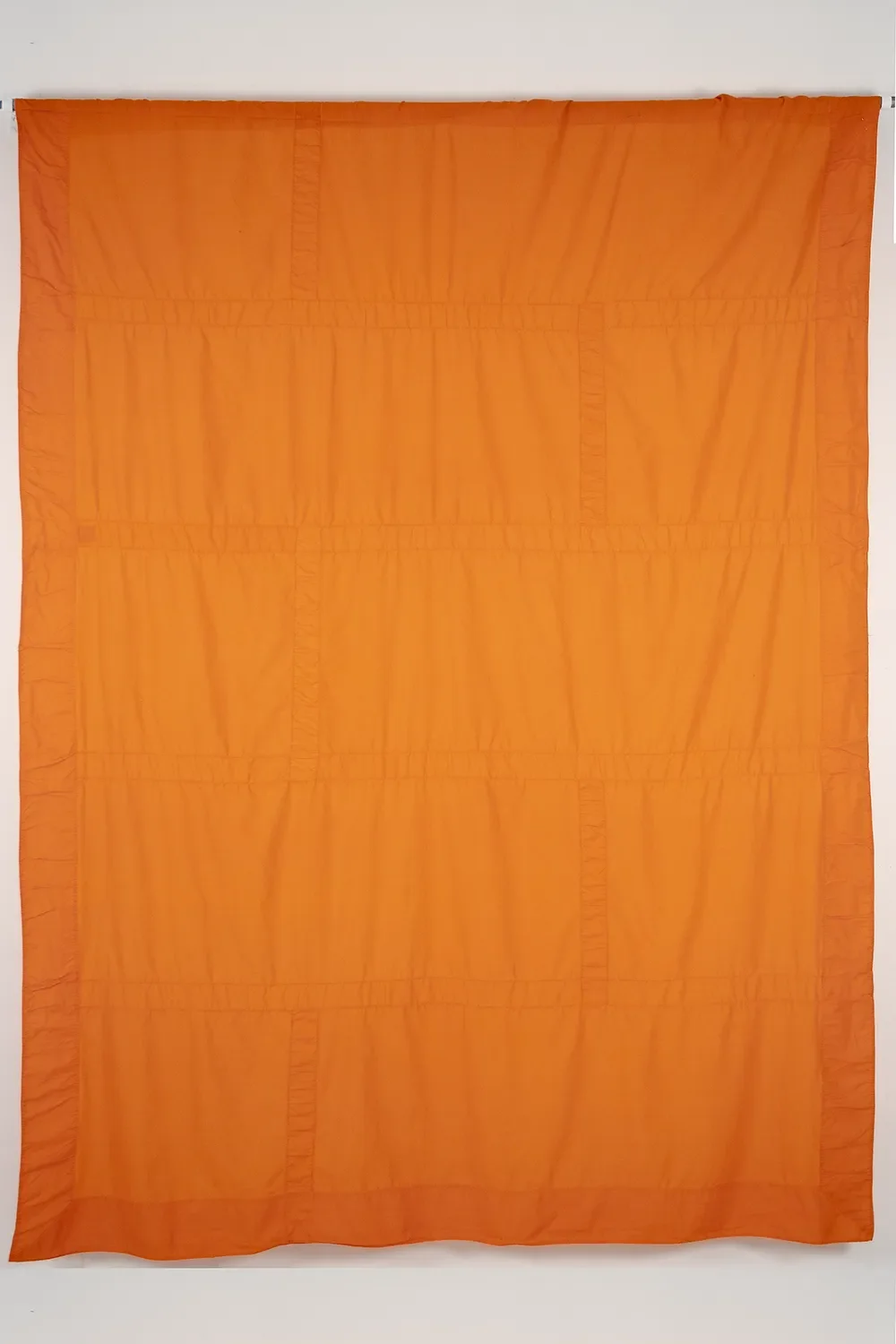
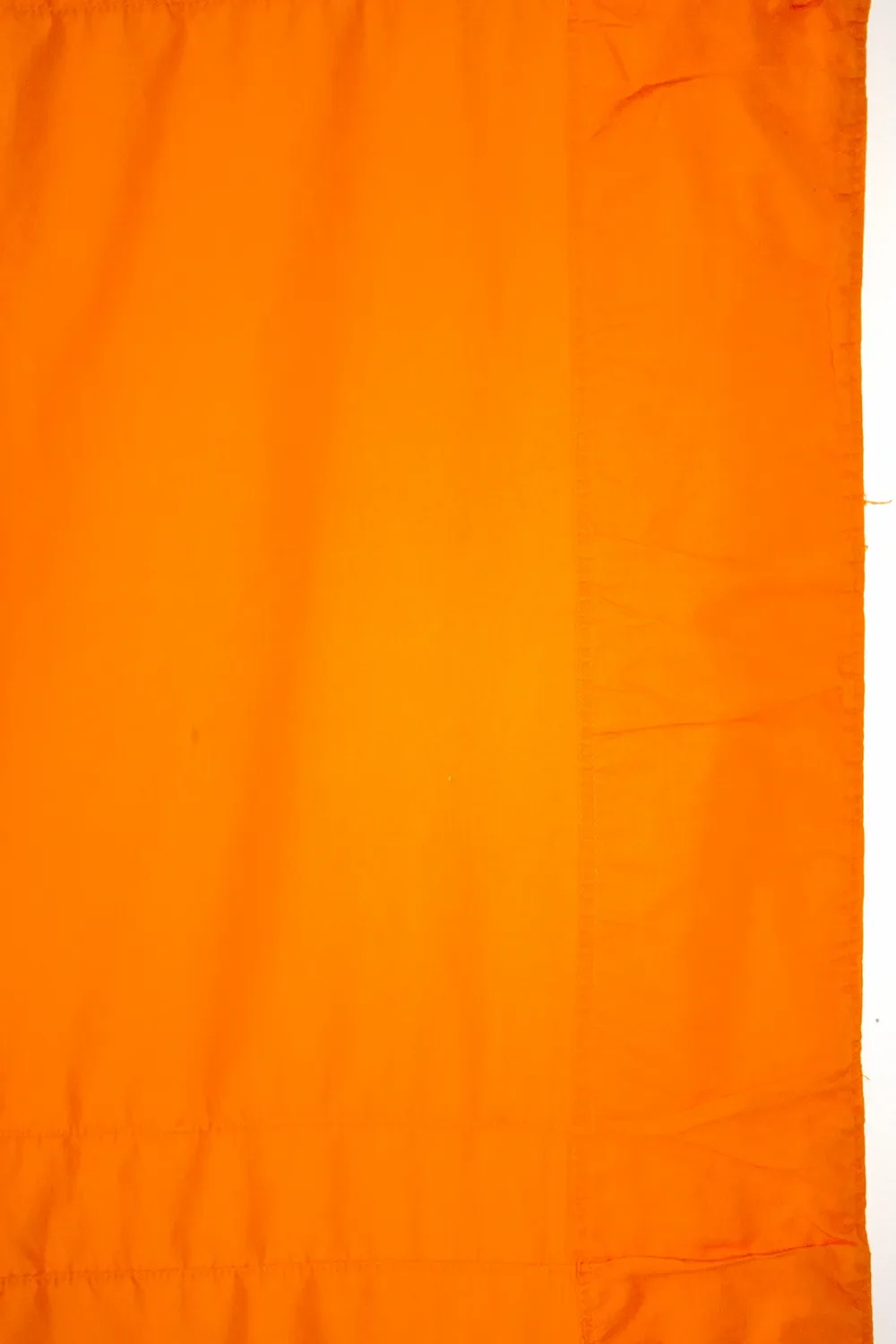
Worn by Theravada monks, this is the main outer robe (uttarasanga) used for covering the body. This large, rectangular cloth (roughly 6 by 9 feet), typically made of breathable, lightweight fabrics like cotton, or muslin, is worn over an inner waist wrap. In Southeast Asia (Thailand, Laos, Myanmar), monks in the Theravada tradition wear bright saffron, ochre, orange, or spice-colored robes, closely matching the original Indian spice dyes. Saffron signifies renunciation, simplicity, and purity. This glowing color also represents the Light of Wisdom: the rising sun, symbolizing profound emergence from the darkness of ignorance into the illuminating light of the Buddha's wisdom. The uttarasanga is typically wrapped around the body to cover the left shoulder while leaving the right shoulder and arm bare for daily activities and alms-gathering. During cooler weather or formal rituals, it can be adjusted to cover both shoulders.
-
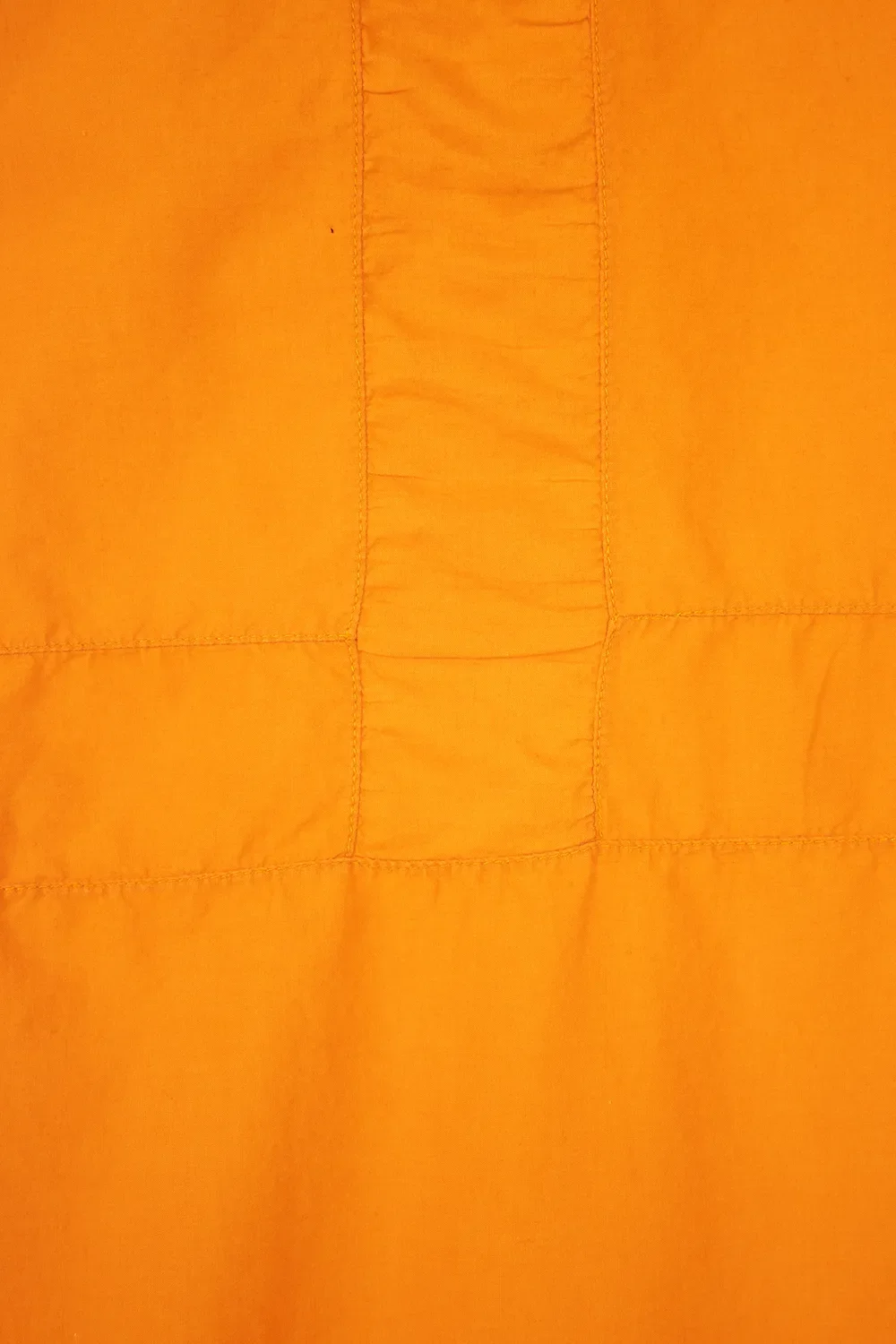
The robe is sewn in a “Rice-Field Pattern”, a rectilinear layout designed to resemble a neatly divided Asian rice paddy field framed by dykes. In many sects of Buddhism, the rice field represents a formless field of spiritual merit, where seeds offered to fertile ground create abundant harvest. The quilt-like patterns also reference the domestication of land and water through the social cooperation of a village community.
Early monastics stitched their robes together from donated fabric remnants or discarded, unclean cloth (such as rags used to wrap corpses) as an extreme exercise in asceticism and humility. Modern Thai monks wear clean, purchased, or donated cloth, but retain the traditional panel layout and color.
Title: Thai Buddist Robe
Date: 2007
Geography: Bangkok, Thailand
Medium: Cotton
Dimensions: H. 102.5 in. W. 71 in.
Provenance: Purchased in Bangkok, Thailand
Inventory Number: TH.01